The year is 2026, and electric bikes are no longer just a niche product; they’re a revolution on two wheels. Whether you’re a seasoned cyclist looking for an extra boost, a commuter tired of traffic jams, or someone simply seeking a more enjoyable way to get around, the allure of an e-bike is undeniable. But with countless models, features, and technologies evolving at lightning speed, how do you make the right choice? This comprehensive Electric Bike Buying Guide 2026 is your ultimate roadmap to finding the perfect electric bicycle that fits your lifestyle, budget, and adventurous spirit. We’ll cut through the jargon, highlight key considerations, and help you navigate the exciting world of sustainable urban mobility solutions.
Why an Electric Bike in 2026? More Than Just a Ride
In 2026, electric bikes offer more advantages than ever before. They represent a significant shift towards eco-friendly transportation solutions, reducing your carbon footprint while providing a fun and efficient way to travel. The advancements in electric bike battery technology and motor efficiency mean longer ranges and more powerful assistance, making hills disappear and commutes fly by. They’re excellent for fitness, allowing you to choose your level of effort, and fantastic for exploring new trails or simply enjoying the outdoors.
Many are discovering the joy of long-range commuter ebikes, which combine speed, convenience, and health benefits, making them ideal for daily trips to work or running errands without breaking a sweat. For those interested in the broader context of these innovative vehicles, you can learn more about the general concept of electric bicycles and their history.
Understanding Electric Bike Types: Finding Your Perfect Match
Before diving into specifications, it’s crucial to understand the different categories of electric bikes available in 2026. Each type is designed for specific purposes and riding conditions:
Commuter and Urban e-Bikes
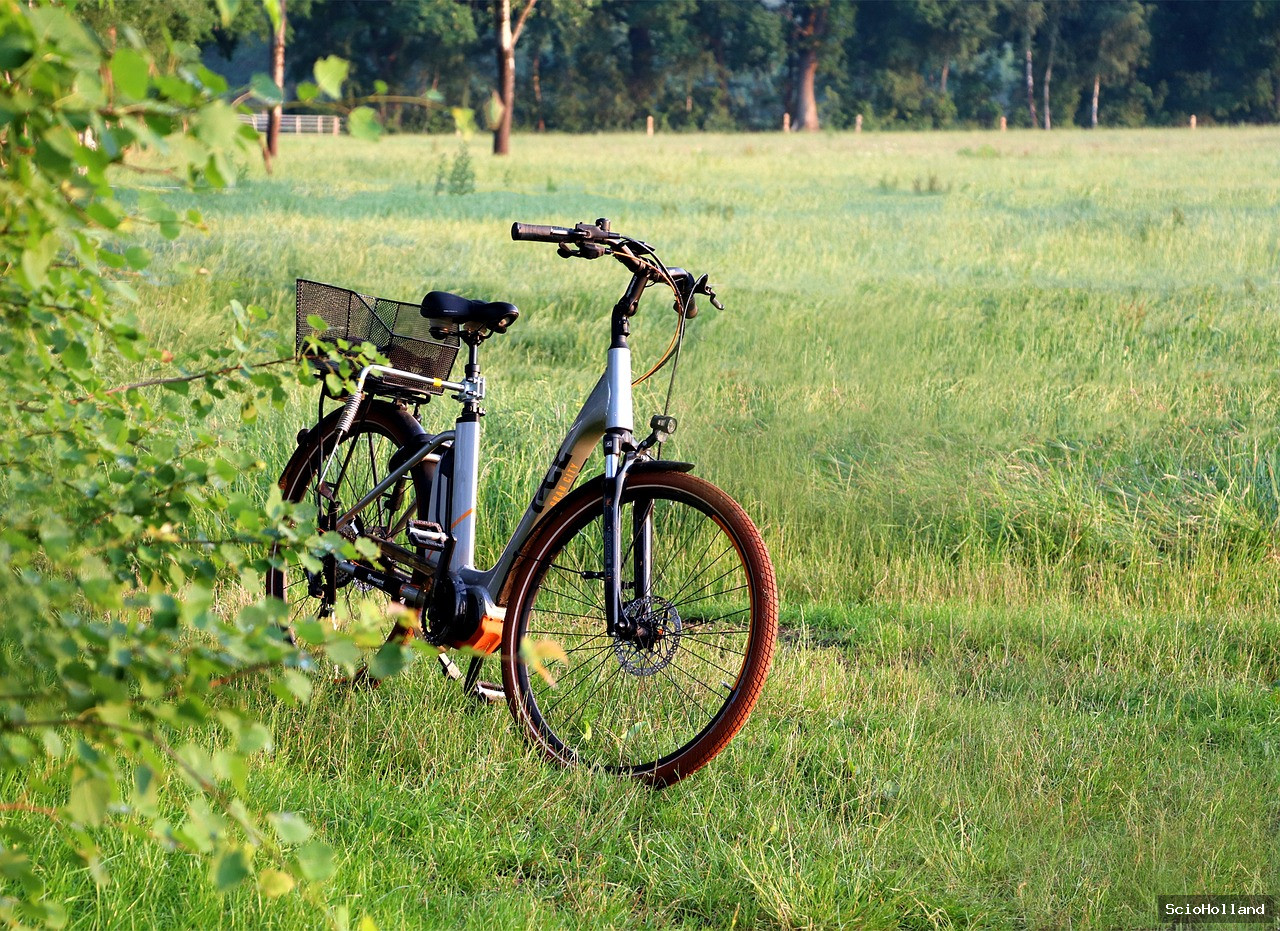
These are the workhorses of city life. Designed for efficiency and comfort on paved roads, they often feature fenders, racks for cargo, and integrated lights. Look for urban electric bike designs with comfortable upright seating positions and reliable components for daily use. Many also come as folding e-bike portability models, perfect for multi-modal commuting.
Mountain e-Bikes (e-MTB)
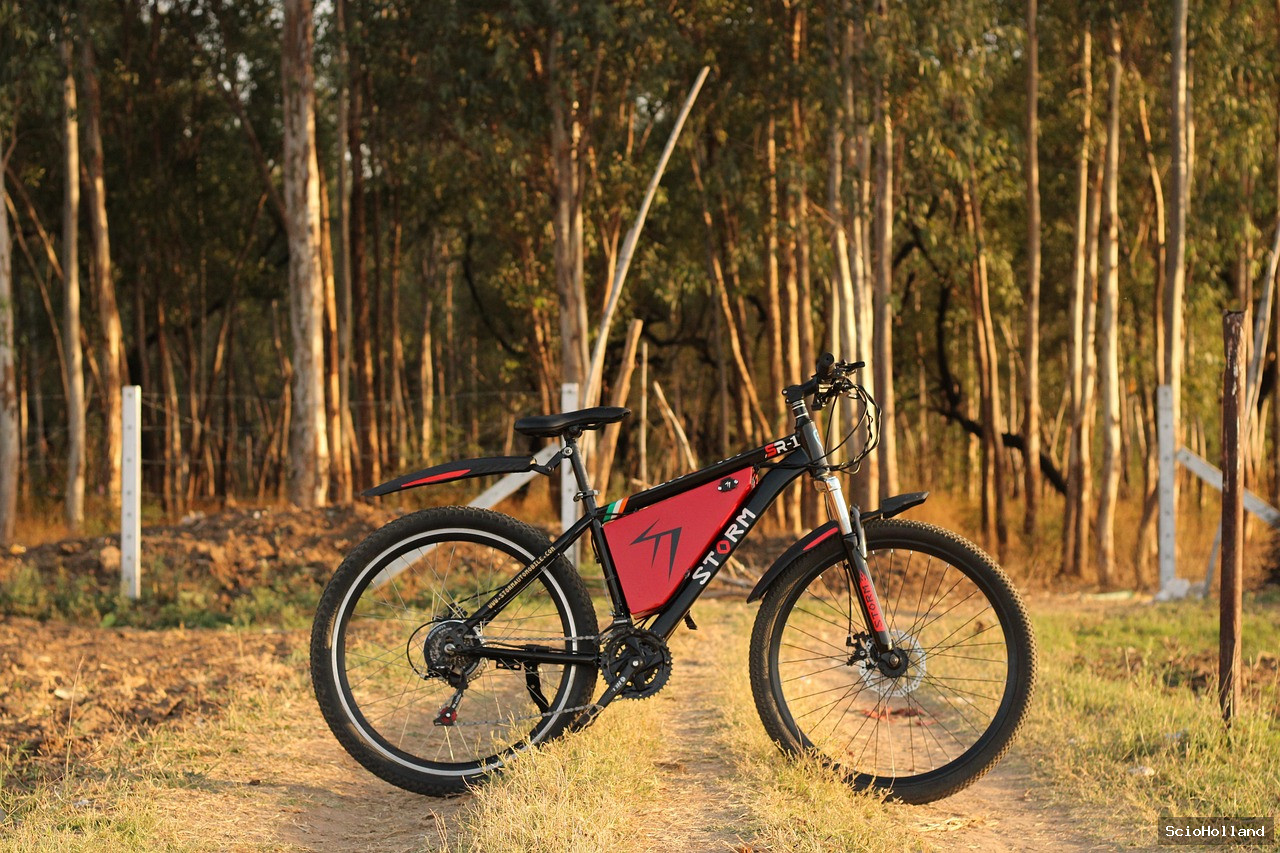
If off-road adventures call your name, off-road electric mountain bikes are built to tackle challenging terrain with powerful motors and robust suspension systems. They offer assistance on climbs, allowing you to explore more trails with less fatigue.
Cargo e-Bikes
For families or businesses, electric cargo bike utility models are game-changers. Capable of carrying groceries, children, or substantial loads, they’re a sustainable alternative to cars for many daily tasks.
Folding e-Bikes
Compact and convenient, folding e-bikes are perfect for those with limited storage space, RV enthusiasts, or commuters who need to combine their ride with public transport. Their folding e-bike portability is a huge advantage.
Road and Gravel e-Bikes
For speed and endurance on paved roads or light gravel, these e-bikes offer subtle assistance to extend your range and maintain higher speeds, often featuring lightweight frames and drop handlebars.
Key Features to Consider for Your 2026 e-Bike Purchase
Once you know your preferred e-bike type, it’s time to dig into the specifics. Here are the most critical factors:
1. Motor Type and Placement
- Hub Motors: Found in the front or rear wheel, they’re typically more affordable and simpler. Great for casual riding.
- Mid-Drive Motors: Located in the center of the bike frame, they power the crank directly. They offer a more natural ride feel, better weight distribution, and often more torque, making them ideal for hills and premium electric bicycles 2026. Look for advanced electric bike motors from reputable brands like Bosch, Shimano, or Yamaha.
2. Battery Capacity and Range
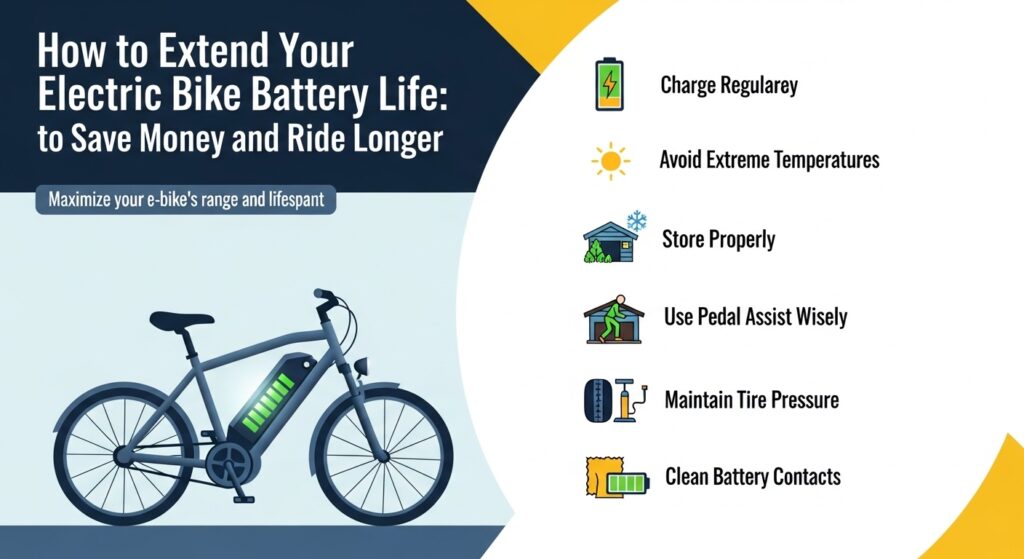
The battery is the heart of your e-bike. Measured in Watt-hours (Wh), a higher number generally means a longer range. Consider your typical ride distance and factor in terrain and desired assistance level. Many modern e-bikes feature advanced electric bike battery longevity, offering hundreds or even thousands of charge cycles. Discuss expected range with your dealer and always consider battery replacement costs down the line.
3. Frame Material and Design
Most e-bikes come with aluminum frames, offering a good balance of strength and weight. Higher-end models might use carbon fiber for ultimate lightness or steel for durability. Consider frame style (step-through for easy mounting, diamond for stiffness) and whether customizable ebike frames are important to you.
4. Brakes and Gearing
Hydraulic disc brakes are highly recommended for e-bikes due to their power and consistent performance, essential given the added weight and speed. Gearing systems vary from simple single-speed to complex multi-gear setups, depending on the e-bike type. For urban use, a decent range of gears will help tackle varied inclines.
5. Suspension
Hardtail (front suspension only) or full-suspension (front and rear) significantly impacts ride comfort. Urban e-bikes might have a suspension fork or even a suspension seatpost, while e-MTBs will almost always have full suspension for handling rough trails.
6. eBike Classes
It’s vital to understand the classification of e-bikes, as it dictates where and how you can ride them. We highly recommend reviewing our detailed guide on understanding eBike classes to ensure your chosen model complies with local regulations. Generally, Class 1 and 2 are pedal-assist up to 20 mph, while Class 3 goes up to 28 mph.
Budgeting and Pricing for Your 2026 e-Bike
The cost of an electric bike varies widely, from under $1,000 to over $10,000. While it’s tempting to go for the cheapest option, remember that quality components, better battery life, and reliable motor systems often come at a higher price. Investing a bit more upfront can save you headaches and repair costs later.
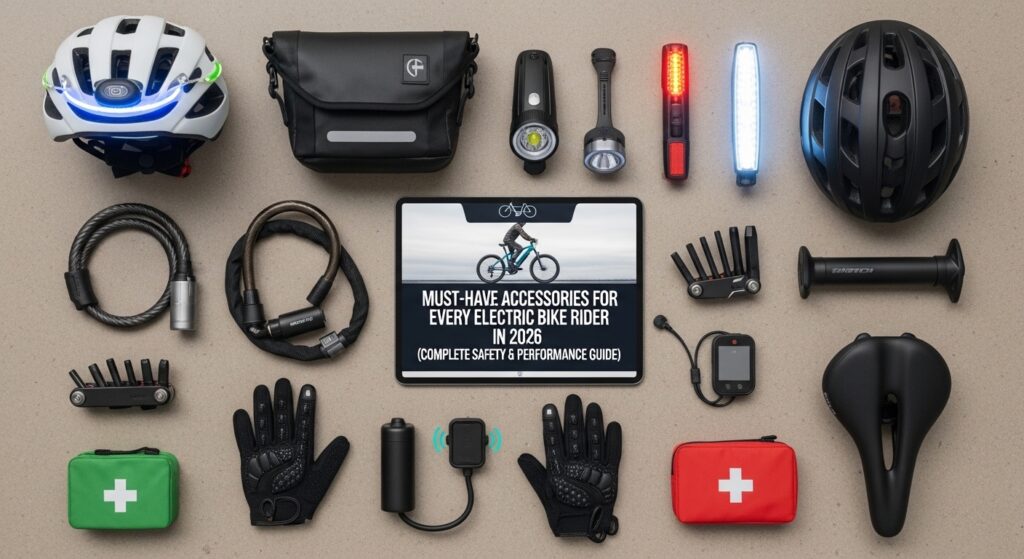
Consider looking into e-bike financing plans 2026 offered by retailers, which can make a higher-quality e-bike more accessible. Don’t forget to factor in the cost of essential electric bike accessories like a helmet, lock, lights, and potentially a rack or panniers, which can significantly enhance your riding experience and safety. These essential electric bike accessories are crucial for safer commuting and an enjoyable ride.
Safety and Smart Features: What to Look For
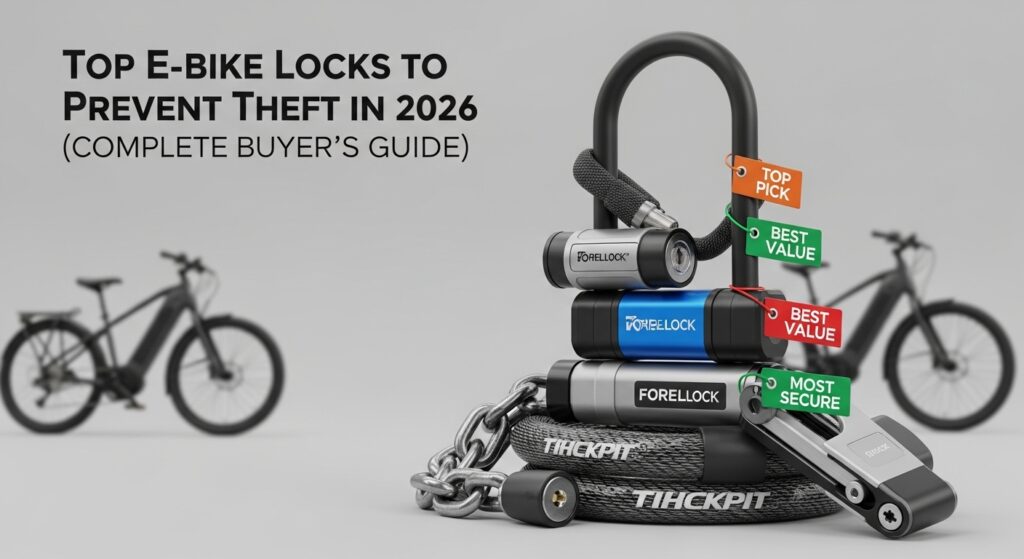
Safety is paramount. Look for e-bikes with good integrated lighting systems, reflective elements, and reliable brakes. Many 2026 models feature smart e-bike technology, including integrated GPS tracking, anti-theft alarms, and smartphone connectivity for ride data and diagnostics. These features not only enhance your riding experience but also offer peace of mind, especially with the growing value of e-bikes.
Where to Buy and After-Sales Support
You have a few options when it comes to purchasing your e-bike:
- Local Bike Shops: Often the best choice for beginners. They offer expert advice, test rides, assembly, and crucial after-sales support, including maintenance tips for electric bikes and warranty services. Building a relationship with a local shop ensures you have reliable dealer support electric bikes for any issues that arise.
- Online Retailers: Can offer competitive pricing and a wider selection. However, you’ll need to handle assembly (or pay a bike shop), and returns can be more complex.
- Direct-to-Consumer Brands: Many new brands sell directly, cutting out the middleman. This can offer value but requires you to be comfortable with self-assembly and potentially less localized support.
Always inquire about the warranty on the frame, motor, and battery. A good warranty provides confidence in your purchase and protects against potential defects.
Final Tips for Your 2026 Purchase
- Test Ride, Test Ride, Test Ride: This is arguably the most important step. Feel how the motor assistance engages, check the comfort of the saddle and handlebars, and ensure the bike feels right for you.
- Consider Your Use Case: Be honest about how you’ll use the bike. Commuting? Trail riding? Errands? This will guide your type and feature choices.
- Read Reviews: Look for independent reviews from reliable sources. Pay attention to common complaints or praises regarding specific models.
- Factor in Insurance: With the value of e-bikes increasing, consider electric bike insurance options, especially if you plan to use it for commuting or live in an area with high theft rates.
Conclusion: Ride Towards a Brighter Future
The year 2026 promises an even more exciting landscape for electric bikes, offering unparalleled freedom, convenience, and environmental benefits. By carefully considering your needs, understanding the different types and features, and prioritizing a test ride, you’re well on your way to making an informed decision. An e-bike isn’t just a purchase; it’s an investment in a more active, enjoyable, and sustainable lifestyle. Embrace the future of personal transport and discover the joy of effortless riding. What are your biggest considerations when buying an e-bike in 2026? Share your thoughts and questions in the comments below!
Frequently Asked Questions About Electric Bike Buying in 2026
Q1: What is the average lifespan of an e-bike battery in 2026?
A1: In 2026, most quality e-bike batteries are designed to last between 3-5 years or 500-1000 full charge cycles, depending on usage and care. Advances in electric bike battery technology are constantly improving this.
Q2: Are e-bikes heavy and difficult to maneuver?
A2: While e-bikes are generally heavier than traditional bicycles due to the motor and battery, their electric assist makes them surprisingly easy to maneuver once you start pedaling. Many modern designs prioritize good weight distribution for balance.
Q3: Do I need a special license to ride an e-bike in 2026?
A3: In most regions, Class 1, 2, and 3 e-bikes do not require a special license, registration, or insurance. However, laws can vary significantly by location and specific e-bike class, so it’s crucial to check your local regulations.
Q4: Can I ride an e-bike in the rain?
A4: Most electric bikes are designed to be weather-resistant and can be ridden in light rain. However, it’s not recommended to submerge them or expose them to heavy downpours for prolonged periods. Always consult the manufacturer’s guidelines for specific water resistance.
Q5: How often do electric bikes need maintenance?
A5: Like traditional bikes, e-bikes require regular maintenance. This includes checking tires, brakes, chain, and ensuring all bolts are tight. The electrical components are generally sealed and require less frequent specific maintenance, but periodic checks by a qualified technician are recommended, especially for the battery and motor systems.