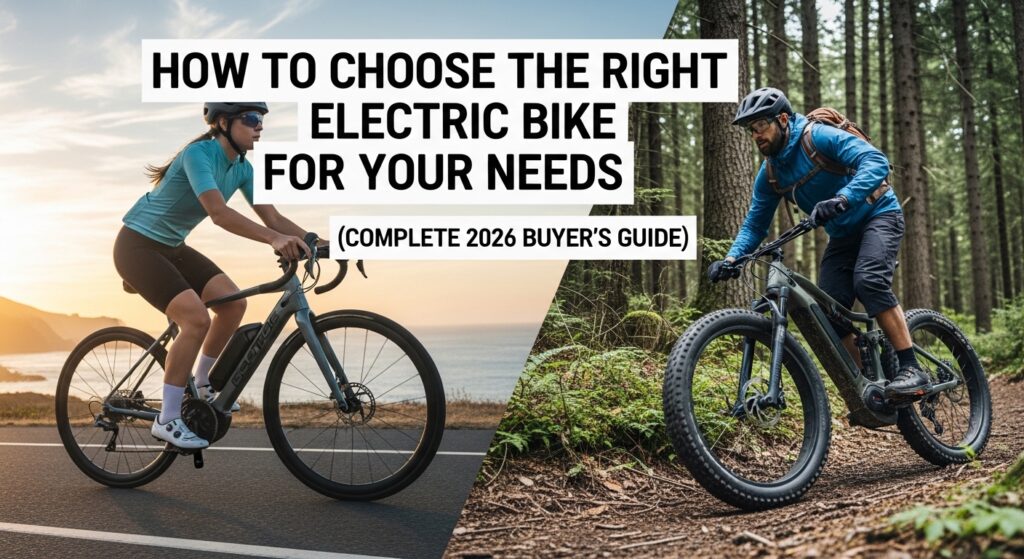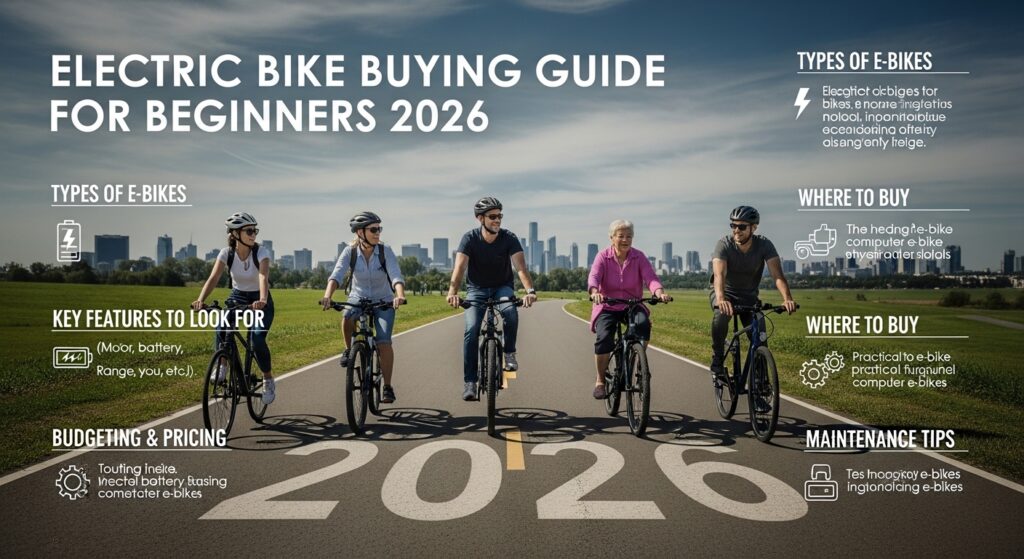
Are you feeling the buzz about electric bikes? It’s no wonder! These incredible machines are transforming the way we commute, explore, and simply enjoy the open air. With technological advancements making them more efficient, reliable, and accessible than ever, 2026 is shaping up to be a fantastic year to join the e-bike revolution. But with so many options out there, how do you find the perfect electric bike for your lifestyle? It’s not just about picking the coolest looking model; it’s about finding a two-wheeled companion that genuinely fits your daily needs, adventures, and budget.
This comprehensive guide will walk you through the key considerations, helping you navigate the exciting world of e-bikes. We’ll explore different types, essential features, and important questions to ask yourself, ensuring your electric bicycle investment brings you joy for years to come.
Why Your Lifestyle is Key to Choosing an e-Bike
Before you even look at models or specifications, the most crucial step is to understand your lifestyle. What do you plan to use your e-bike for most often? Your answer will significantly narrow down your choices and lead you to the ideal category of electric bikes.
Commuting Made Easy
If your primary goal is to ditch traffic and make your daily commute more enjoyable, an electric bike for commuting is probably what you need. These bikes often feature:
- Fenders and Lights: Essential for all-weather riding and visibility.
- Rack Mounts: For carrying groceries, a laptop bag, or work essentials.
- Comfort-Oriented Geometry: An upright riding position reduces strain on your back and neck.
- Puncture-Resistant Tires: To minimize roadside mishaps.
Consider models with a good e-bike battery range to cover your round-trip journey without range anxiety. Some urban e-bikes even feature compact or folding electric bike designs, making them easier to store in apartments or take on public transport.
Adventure and Trail Riding
For those who dream of escaping the asphalt and tackling rougher paths, an electric mountain bike (eMTB) is your go-to. These bikes are built to handle rugged terrain and provide an extra boost when climbing steep ascents. Look for:
- Robust Suspension: Full-suspension e-bikes absorb shocks, offering a smoother ride over roots and rocks.
- Powerful Mid-Drive Motors: Offer better torque and balance for off-road challenges.
- Knobby Tires: Provide superior grip on loose surfaces.
- Durable Frame: Built to withstand demanding trails.
If you’re eyeing serious off-road adventures, you’ll want to prioritize components that can endure tough conditions.
Leisure and Recreation
Perhaps you’re looking for a relaxed ride along the boardwalk, through parks, or for casual weekend excursions. A comfort electric bike or a cruiser-style e-bike might be your perfect match. These models typically emphasize:
- Plush Seats and Ergonomic Grips: For maximum comfort on longer rides.
- Upright Riding Position: Promotes a relaxed posture and good visibility.
- Simple Gearing: Often fewer gears, as the motor does much of the work.
- Stylish Aesthetics: Many leisure e-bikes boast classic, attractive designs.
A simple hub motor might suffice here, and battery range can be less of a concern if you’re not planning epic journeys.
Utility and Cargo Hauling
Need to transport kids, pets, or a significant amount of groceries? A cargo electric bike is an increasingly popular and eco-friendly solution. These workhorses are designed for heavy loads and stability. Key features include:
- Long Wheelbase or Front/Rear Racks: Designed to accommodate large cargo bags or dedicated child seats.
- Strong Brakes: Often hydraulic disc brakes are a must for stopping heavy loads safely.
- Powerful Motor and Battery: To assist with the extra weight.
- Sturdy Kickstands: To keep the bike stable when loaded.
A heavy-duty e-bike can truly replace a second car for many families, making it a smart electric bicycle investment.

Essential Features to Consider for Your Perfect Ride
Once you’ve identified your primary use, it’s time to dive into the specifics. Understanding these features will help you compare models more effectively.
Motor Type and Power
The motor is the heart of your e-bike’s electric assist. There are two main types:
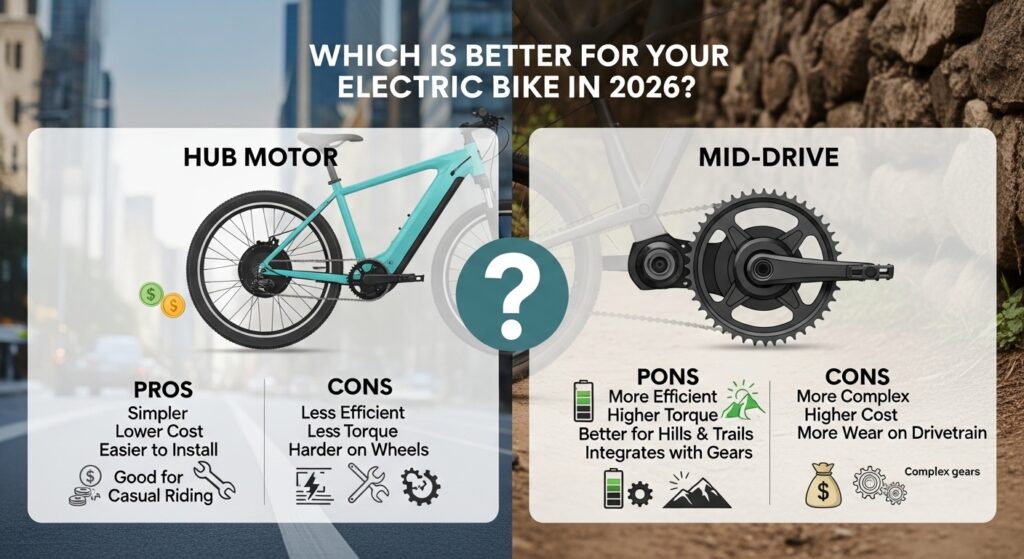
- Hub Motors: Located in the front or rear wheel hub. They are generally more affordable, simpler, and great for casual riding or flat commutes. They provide a push sensation.
- Mid-Drive Motors: Located at the bike’s crank, powering the pedals directly. These are more efficient, offer better weight distribution, and provide a more natural cycling feel, especially on hills. They’re common on electric mountain bikes and performance-oriented models. They’re often better for climbing hills and maximizing battery life.
Motor power is typically measured in watts (W), with common ranges from 250W to 750W. Always consider your local e-bike laws regarding motor wattage and assist speed, as these can vary significantly.
Battery Range and Capacity
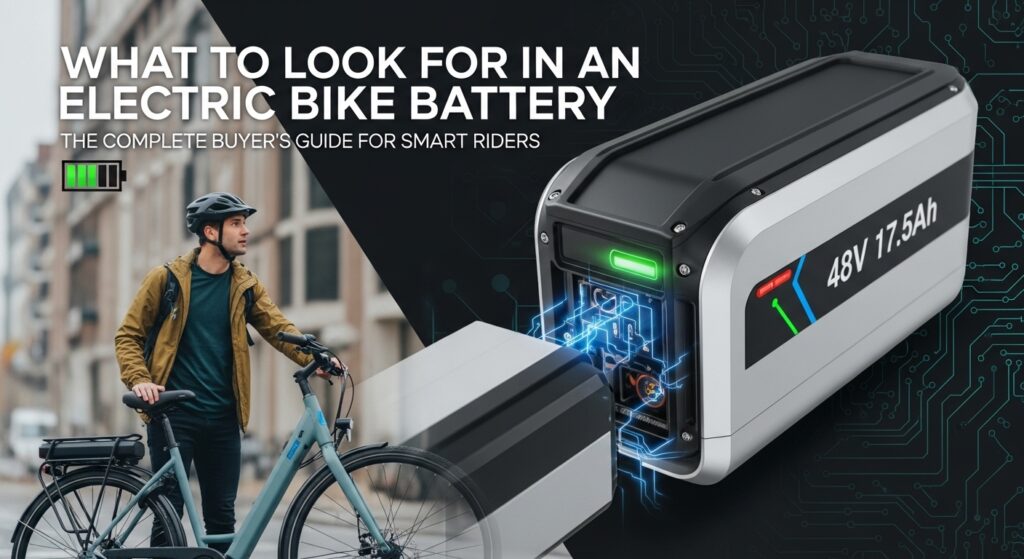
The battery dictates how far you can ride on a single charge. It’s measured in watt-hours (Wh) – the higher the Wh, the longer the range. When considering e-bike battery range, think about:
- Your Typical Ride Length: Do you need to go 10 miles or 50 miles?
- Terrain: Hilly routes drain batteries faster.
- Assist Level: Using higher assist levels (like ‘turbo’) will reduce range.
- Rider Weight and Cargo: Heavier loads require more power.
Many modern e-bikes feature removable batteries for convenient charging, a great benefit for apartment dwellers or those wanting to charge indoors.
Frame Style and Size
E-bike frames come in various styles:
- Traditional Diamond Frame: Strong and common on sportier models.
- Step-Through Frame: Offers easy mounting and dismounting, popular for commuters and leisure riders.
- Folding Frames: Excellent for portability and storage in small spaces. Check out Wikipedia for more on electric bicycle types.
Correct frame size is crucial for comfort and control. Most manufacturers provide size charts based on rider height, so be sure to consult these.
Suspension and Comfort
Suspension can significantly impact ride quality:
- No Suspension: Common on road-focused or entry-level models.
- Front Suspension: Absorbs bumps from the front wheel, common on hybrid and some commuter e-bikes.
- Full Suspension: Both front and rear suspension, offering the most comfort and control, especially for off-road riding.
Beyond suspension, features like a comfortable saddle, ergonomic grips, and an adjustable stem can make a world of difference for your riding experience.
Brakes and Safety
Electric bikes are faster and heavier than traditional bikes, making reliable brakes paramount. Hydraulic disc brakes are generally considered the gold standard for their stopping power and consistent performance in all weather conditions. Always prioritize powerful, responsive brakes for your safety. Don’t forget other essential e-bike safety gear like a helmet and lights!

Budgeting for Your Electric Bicycle Investment
E-bikes represent a significant investment, but one that often pays dividends in health, convenience, and enjoyment. Prices can range widely, from budget-friendly electric bikes under $1,000 to high-performance electric bikes exceeding $10,000.
Entry-Level vs. Premium Models
Entry-level models are fantastic for those new to e-bikes or with straightforward commuting needs. They often feature hub motors, simpler components, and smaller batteries. Premium models offer:
- Advanced Motor Systems: Typically mid-drive with sophisticated torque sensors.
- Higher Capacity Batteries: For extended range.
- Quality Components: Better brakes, suspension, and drivetrain parts from reputable brands.
- Smart Features: Integrated apps, GPS tracking, and advanced displays.
Understanding the True Cost
Beyond the initial purchase price, consider potential ongoing costs:
- Maintenance: While e-bikes don’t require drastically different maintenance than regular bikes, specialized e-bike maintenance might be needed for the electrical components.
- Accessories: Lights, locks, helmets, and racks can add up.
- Insurance: Depending on your location and the value of your e-bike, insurance might be a wise consideration.
- Battery Replacement: Batteries typically last 3-5 years or a certain number of charge cycles before their capacity significantly diminishes.
Always inquire about the e-bike warranty and local dealer support when making your purchase.
Test Riding and Making the Final Decision
You’ve done your research, considered your lifestyle, and narrowed down your options. Now comes the fun part!
The Importance of a Test Ride
Just like buying a car, you wouldn’t commit without a test drive. The same applies to e-bikes. A test ride allows you to:
- Assess Comfort: How does the bike feel? Is the riding position comfortable?
- Experience the Motor: Does the assist feel natural? Is it powerful enough for your local hills?
- Check Handling: How does it corner? Does it feel stable?
- Test Brakes: Are they responsive and confidence-inspiring?
Try to test ride on terrain similar to where you’ll be riding most often. Pay attention to how the bike feels with and without electric assist.
Dealer Support and Warranty
Purchasing from a reputable local dealer often comes with benefits like professional assembly, fitting services, and ongoing maintenance support. A good dealer can also help you understand the specifics of your e-bike warranty and guide you through any technical questions that arise. Online purchases can offer savings, but consider how you’ll handle service and repairs if you don’t have local support.
Conclusion
Choosing the perfect electric bike for your lifestyle is an exciting journey that culminates in enhanced mobility, renewed joy, and a healthier routine. By carefully considering your primary use case – whether it’s zipping through city streets, conquering challenging trails, enjoying leisurely rides, or hauling cargo – you can align your needs with the right e-bike category. Then, delving into the specifics of motor type, battery range, frame style, suspension, and brakes will refine your selection, ensuring you invest in a machine that truly complements your life.
Remember, a test ride is indispensable, and understanding the total cost of ownership, including an reliable e-bike warranty and local support, will lead to lasting satisfaction. The world of e-bikes is vibrant and welcoming, offering a solution for nearly every need. So, take these insights, hit your local bike shops, and get ready to experience the freedom and fun an electric bike can bring. What kind of adventures are you hoping to unlock with your new e-bike? Share your thoughts in the comments below!
Frequently Asked Questions (FAQ)
Q1: How much should I expect to pay for a good electric bike?
A1: A good quality electric bike typically ranges from $1,500 to $4,000, depending on the motor, battery capacity, components, and brand. Entry-level models can be found under $1,000, while high-performance or specialized e-bikes can exceed $5,000.
Q2: How long does an e-bike battery last on a single charge?
A2: E-bike battery range varies widely, but most modern e-bikes offer 25-70 miles (40-110 km) on a single charge. Factors like terrain, rider weight, assist level used, and battery size all impact the actual range.
Q3: What’s the main difference between hub and mid-drive motors?
A3: Hub motors are in the wheel and provide a direct push, often more affordable. Mid-drive motors are at the pedals, offering better balance, more torque (especially for hills), and a more natural ride feel by working with the bike’s gears.
Q4: Do I still get exercise with an electric bike?
A4: Absolutely! E-bikes offer adjustable assist levels, meaning you can choose how much effort you want to put in. You’ll still pedal, build strength, and get cardiovascular exercise, but with the option for an extra boost when needed, making rides more accessible and enjoyable.
Q5: Are electric bikes difficult to maintain?
A5: E-bikes require similar mechanical maintenance to traditional bikes (tires, brakes, chain). Additionally, the electrical components like the battery and motor require occasional checks, but these are generally robust and low-maintenance. Regular cleaning and proper battery care are key.