Introduction
City traffic is getting worse. Fuel prices keep rising. Parking spaces are harder to find. For many urban commuters, daily travel has become stressful and expensive. But a quiet revolution is happening on city streets — electric bikes.
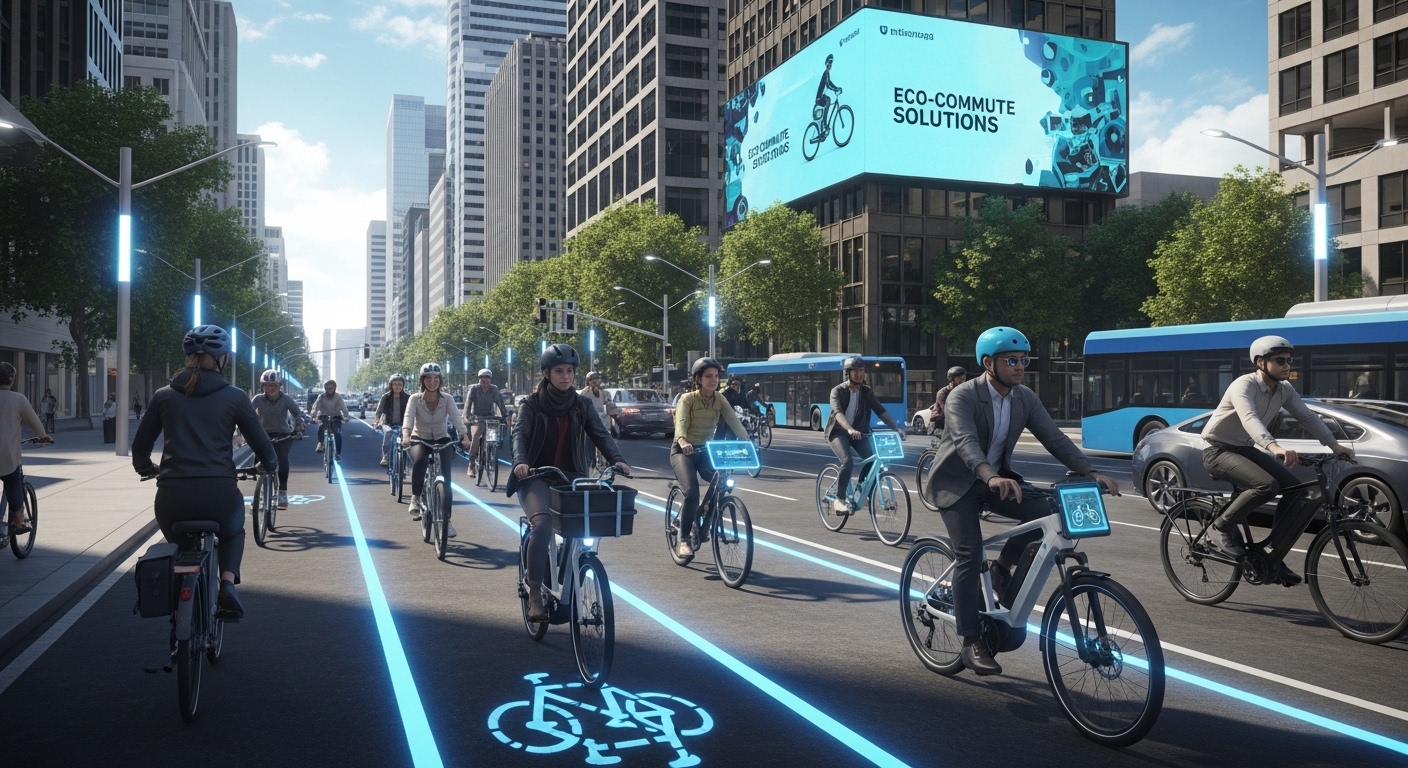
Electric bikes, often called e-bikes, are changing the way people move through cities. They offer an affordable, eco-friendly transportation option that fits modern urban life. In this article, you’ll learn how electric bikes are transforming city commuting, why more people are choosing them, and what this means for the future of urban mobility.
What Is an Electric Bike?
An electric bike is a bicycle equipped with a battery-powered motor that assists with pedaling. Unlike motorcycles or scooters, most e-bikes still require pedaling, but the motor reduces effort — especially on hills or long distances.
Modern electric bikes typically include:
-
A rechargeable lithium-ion battery
-
A hub or mid-drive motor
-
Pedal-assist modes
-
Digital displays for speed and battery level
This combination makes commuting faster, easier, and more enjoyable — even in busy urban areas.
Why Electric Bikes Are Becoming Popular in Cities
1. Lower Commuting Costs
One of the biggest reasons people switch to electric bikes is cost savings.
Compared to cars or motorcycles, e-bikes offer:
-
No fuel expenses
-
Minimal maintenance costs
-
No insurance requirement in many regions
-
No expensive parking fees
For urban professionals looking for affordable commuting options, electric bikes are a smart long-term investment. Charging a battery costs only a small fraction of what drivers spend on gasoline each week.
This is why keywords like affordable electric bikes for commuting and low cost urban transportation are becoming highly searched topics online.
2. Faster Travel in Heavy Traffic
Traffic congestion is a daily challenge in most cities. Electric bikes provide a practical solution.
With access to bike lanes and the ability to bypass traffic jams, riders often reach their destination faster than car drivers during peak hours.
Benefits include:
-
Predictable commute times
-
No waiting in long traffic lines
-
Easier navigation through crowded streets
For short-to-medium city distances (5–15 km), electric bikes can be the most efficient way to travel.
3. Eco-Friendly Transportation Choice
Environmental awareness is growing worldwide. Many city residents want cleaner transportation options.
Electric bikes produce:
-
Zero direct emissions
-
Lower carbon footprint than cars
-
Reduced noise pollution
Choosing an e-bike instead of a car even a few days per week can significantly reduce personal environmental impact.
Search terms like eco-friendly commuting solutions and sustainable urban transport continue to gain popularity because people are actively looking for greener alternatives.
Health Benefits of Electric Bike Commuting
Some people assume that electric bikes eliminate exercise. That’s not true.
E-bikes still require pedaling, which provides:
-
Moderate cardiovascular activity
-
Improved stamina
-
Reduced stress
-
Better overall fitness
Studies show that people who use electric bikes tend to ride longer distances and more frequently than traditional cyclists because the motor assistance reduces fatigue.
This makes electric bikes ideal for people who want daily physical activity without extreme effort.
How Electric Bikes Support Smart City Development
Modern cities are investing in smarter infrastructure. Electric bikes play a major role in this shift.
Integration with Public Transport
Many commuters combine e-bikes with:
-
Trains
-
Metro systems
-
Buses
Foldable electric bikes make “last-mile transportation” simple and convenient. Instead of driving to work, commuters can:
-
Ride to a train station
-
Carry or park the bike
-
Ride again from the station to the office
This flexible system reduces urban congestion and improves mobility efficiency.
Reduced Demand for Parking
Parking space is limited and expensive in major cities. Electric bikes require minimal space and can often be parked in designated bike areas.
Cities benefit from:
-
Fewer cars on the road
-
Less parking infrastructure needed
-
More space for pedestrians and green areas
Urban planners increasingly see electric bikes as part of long-term transportation solutions.
Electric Bike Technology Is Improving Rapidly
Battery technology and motor efficiency are advancing every year.
Modern electric bikes now offer:
-
Longer battery range (40–100 km per charge)
-
Fast charging capabilities
-
Lightweight frames
-
Smart connectivity features
Some models even include GPS tracking, anti-theft systems, and mobile app integration.
As technology improves, electric bike prices are becoming more competitive — making them accessible to a wider audience searching for best electric bikes for city commuting.
Who Benefits Most from Electric Bikes?
Electric bikes are not just for cycling enthusiasts. They are suitable for:
-
Office workers
-
College students
-
Delivery professionals
-
Small business owners
-
Ride-share couriers
In fact, electric bikes are now widely used in urban delivery services because they reduce fuel costs and increase mobility.
High-interest keywords like electric bike for food delivery and urban cargo e-bike solutions are growing due to the rise of online shopping and delivery services.
Safety and Regulations in Urban Areas
As electric bike usage increases, cities are updating safety regulations.
Most urban areas now require:
-
Speed limits (often 25–32 km/h for pedal assist)
-
Helmet recommendations
-
Front and rear lights
-
Reflectors for night riding
Riders should always check local laws before purchasing an e-bike.
Safety awareness builds trust — which is important for new riders considering this transportation shift.
Challenges Electric Bikes Still Face
While electric bikes offer many benefits, there are still challenges:
1. Initial Purchase Cost
High-quality electric bikes can be expensive upfront. However, long-term savings often justify the investment.
2. Battery Replacement Costs
Lithium-ion batteries eventually need replacement, which can add to ownership expenses.
3. Limited Charging Infrastructure
Although charging at home is easy, public charging stations are still limited in some cities.
Despite these challenges, the overall advantages continue to outweigh the drawbacks for most urban commuters.
The Economic Impact of Electric Bikes
The electric bike industry is creating new economic opportunities:
-
Local repair shops
-
Battery technology development
-
Urban delivery services
-
E-bike rental programs
City governments are also offering subsidies and tax incentives in some regions to encourage adoption of clean transportation solutions.
This growth signals that electric bikes are not just a trend — they are part of a larger urban mobility transformation.
Why Electric Bikes Represent the Future of City Commuting
Electric bikes solve multiple modern problems at once:
-
Rising fuel prices
-
Urban congestion
-
Environmental concerns
-
Lack of parking space
-
Sedentary lifestyles
They offer a balanced solution between convenience, affordability, and sustainability.
As more people experience the benefits firsthand, adoption rates continue to grow globally.
Conclusion
Electric bikes are changing city commuting in powerful ways. They reduce travel costs, save time in traffic, support cleaner air, and promote healthier lifestyles. With improving technology and growing infrastructure, e-bikes are becoming a reliable solution for modern urban transportation.
If you’re tired of traffic stress or high commuting expenses, an electric bike may be worth considering. Have you tried commuting with an e-bike? Share your thoughts or experiences in the comments — your insight could help others make a smart transportation choice.
FAQ: Electric Bikes and City Commuting
1. Are electric bikes good for daily commuting?
Yes. Electric bikes are ideal for short to medium city distances and help reduce fatigue while saving money.
2. How far can an electric bike go on one charge?
Most modern electric bikes offer a range between 40 and 100 kilometers, depending on battery size and riding conditions.
3. Do electric bikes require a license?
In many regions, pedal-assist electric bikes do not require a license, but local regulations vary.
4. Are electric bikes environmentally friendly?
Yes. They produce zero direct emissions and have a much lower carbon footprint compared to cars.
5. Is an electric bike cheaper than a car?
In the long term, electric bikes are significantly more affordable due to low charging, maintenance, and operating costs.