One of the most common questions for electric bike buyers is: “How far can I ride on a single charge?”
Battery range is one of the most important factors to consider when choosing an eBike. Selecting a battery that is too small may leave you stranded, while an oversized battery can increase costs and weight unnecessarily.
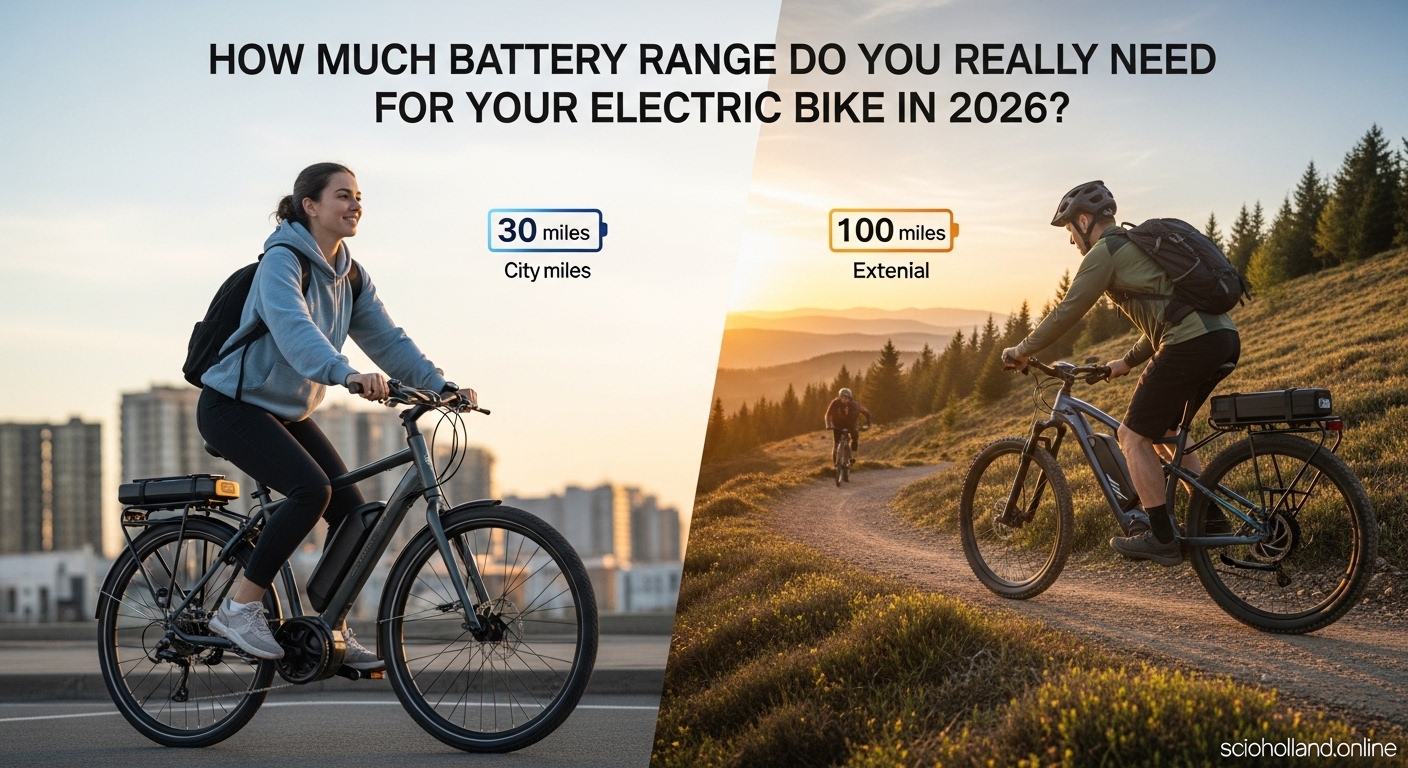
This guide will help you determine the right battery range for your lifestyle, commuting needs, and riding goals.
Why Battery Range Matters
Battery range impacts:
-
Daily commuting: You don’t want to recharge every few miles.
-
Long rides or adventures: Insufficient range can cut trips short.
-
Battery lifespan: Frequent deep discharges can reduce battery health.
-
Cost: Larger batteries often cost more upfront.
Understanding your real-world needs ensures you buy a bike that’s both reliable and efficient.
Step 1: Identify Your Riding Patterns
Ask yourself:
How will I use my electric bike most of the time?
For Daily Commutes
-
Distance: Usually 5–20 miles each way.
-
Battery range needed: 30–50 miles (to cover a day and allow for variations).
-
Tip: Factor in hills, weather, and extra trips during the day.
For Weekend Adventures or Trail Riding
-
Distance: Often 15–40 miles in mixed terrain.
-
Battery range needed: 50–80 miles.
-
Tip: Off-road riding consumes more power due to hills and rough surfaces.
For Errands or Cargo
-
Distance: Short, stop-and-go rides around town.
-
Battery range needed: 20–40 miles, but a heavier cargo load will reduce range.
-
Tip: Choose a slightly larger battery for stability and reliability.
Step 2: Understand Battery Capacity
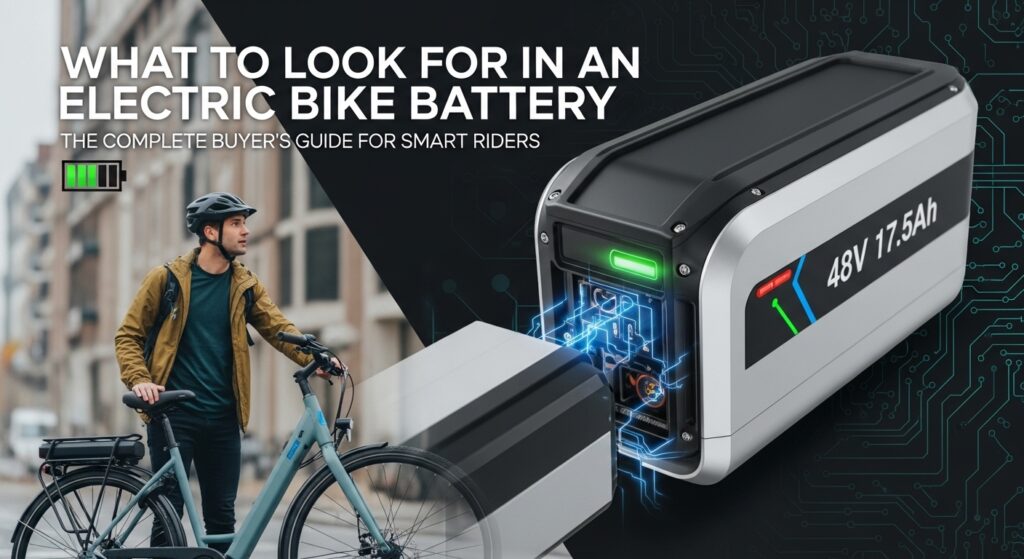
Battery capacity is measured in watt-hours (Wh).
-
250–400Wh: Light city rides, short commutes (15–35 miles).
-
400–600Wh: Average commuting, weekend rides (30–60 miles).
-
600Wh+: Long-distance and hilly rides (50–80+ miles).
Remember, advertised ranges are ideal conditions. Real-world range depends on:
-
Rider weight
-
Terrain type (hills drain batteries faster)
-
Level of pedal assist
-
Weather (cold reduces efficiency)
Step 3: Motor Type & Power Consumption
The motor affects how quickly your battery drains.
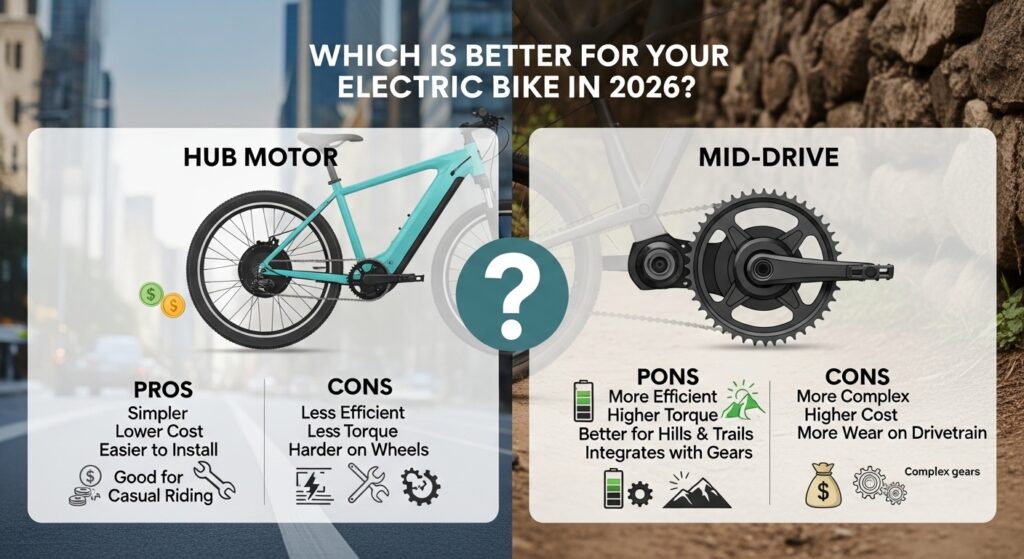
Hub Motor
-
Less power consumption on flat terrain
-
Best for casual riders and city commuting
-
Moderate range usage
Mid-Drive Motor
-
More efficient on hills
-
Better torque and performance
-
Consumes more power under heavy load
If your route has steep hills, a mid-drive motor paired with a higher-capacity battery is often the best choice.
Step 4: Battery Care Tips to Maximize Range
-
Charge Regularly: Avoid letting the battery drop below 20%.
-
Avoid Extreme Temperatures: Cold weather reduces range.
-
Optimize Pedal Assist: Use higher assist only when necessary.
-
Maintain Tire Pressure: Underinflated tires increase resistance.
-
Lighten Your Load: Extra weight reduces range efficiency.
Good battery care can extend range and lifespan by 20–30%.
Step 5: Consider Your Budget and Weight
Bigger batteries = more money and extra weight.
-
For short commutes, a smaller battery is sufficient.
-
For long rides or hilly terrain, investing in a larger battery is better than constantly recharging.
Balance your need for distance with practicality and affordability.
Step 6: Real-World Examples
-
City commuter (10 miles each way, flat terrain): 350Wh battery is sufficient.
-
Weekend trail rider (20 miles, hilly terrain): 600Wh+ battery recommended.
-
Cargo bike with groceries (5–10 miles trips, 50 lbs load): 400–500Wh battery works well.
Step 7: Safety and Redundancy
Even if your battery seems sufficient:
-
Carry a small charger or power bank if possible
-
Know nearby charging stations
-
Don’t rely on the battery reaching zero — always leave a 10–15% reserve
This ensures no ride ends unexpectedly.
Conclusion
Choosing the right battery range doesn’t need to be complicated. Focus on:
-
Your daily distance
-
Terrain type
-
Motor type
-
Cargo weight
-
Long-term battery health
A properly selected battery ensures a reliable, efficient, and enjoyable ride.
Take the time to match your electric bike battery to your real-world needs — your future self will thank you.
FAQ
1. Does battery size affect speed?
Not directly. Speed depends on motor power, but larger batteries can sustain higher speeds longer.
2. How long does it take to fully charge an eBike battery?
Typically 3–6 hours for mid-range batteries (400–600Wh).
3. Can I upgrade my eBike battery later?
Yes, many models allow aftermarket battery upgrades to increase range.
4. How many years does a typical eBike battery last?
3–5 years or 500–1,000 charge cycles with proper care.
5. Does weather really affect range?
Yes. Cold, wet, or hilly conditions reduce battery efficiency.