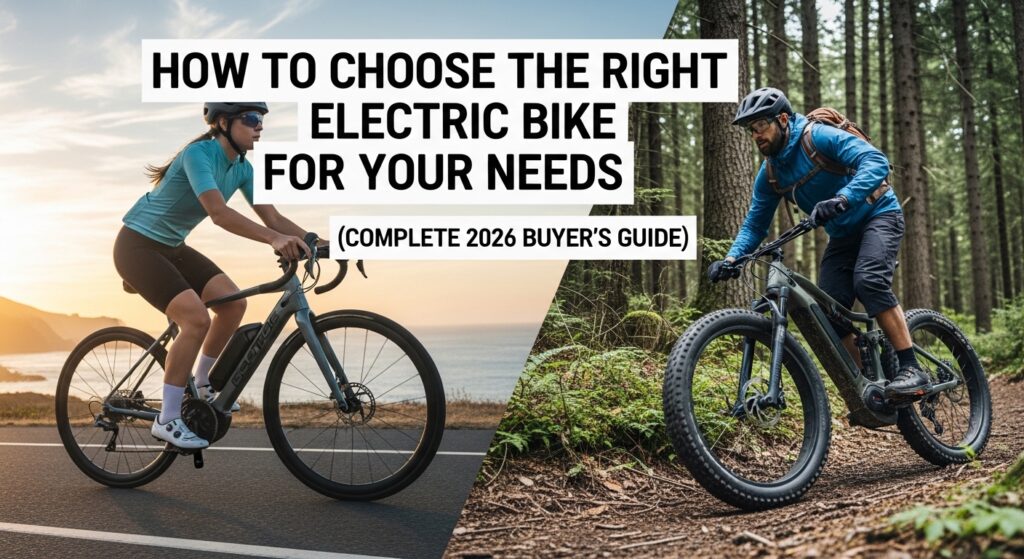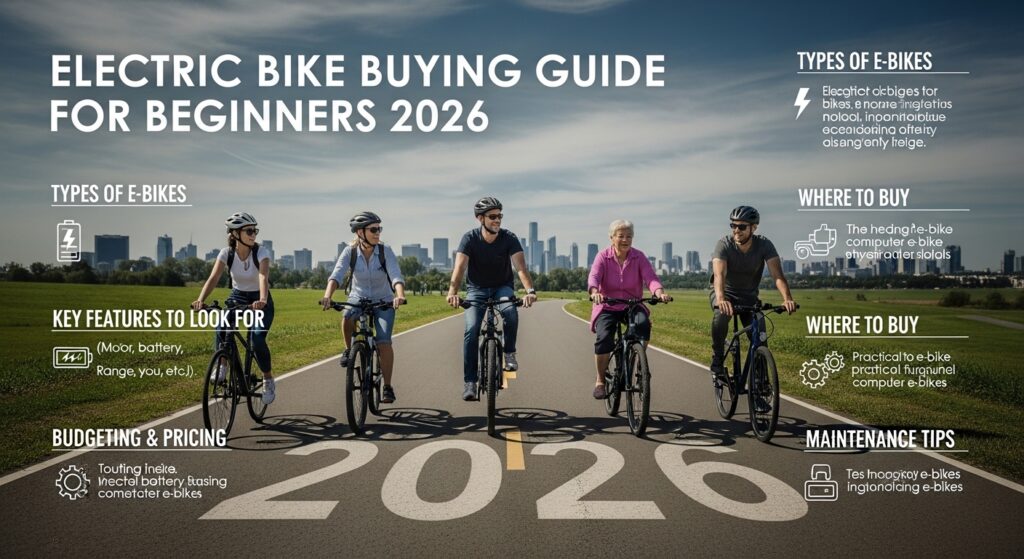
Welcome to the future of personal mobility! Electric bikes, often called e-bikes, are no longer just a niche product; they’re a global phenomenon rapidly transforming commuting, recreation, and even how we view fitness. As we move further into 2026, the technology, variety, and accessibility of e-bikes have reached unprecedented levels, making it both an exciting and potentially overwhelming time to buy one. Whether you’re a seasoned cyclist looking for an extra boost or a complete beginner eager to try a new mode of transport, this comprehensive Electric Bike Buying Guide 2026 is designed to cut through the noise. We’ll cover everything you need to know, from understanding the core components to choosing the right type of e-bike for your specific needs, ensuring you make an informed decision with confidence.
Why Choose an Electric Bike in 2026?
The appeal of electric bikes continues to grow, and for good reason. They offer a unique blend of exercise, convenience, and eco-friendliness that traditional bicycles and motor vehicles can’t quite match. As 2026 unfolds, e-bikes are becoming even more integrated into our urban and recreational landscapes.
Benefits for Commuters
Imagine arriving at work refreshed, not drenched in sweat. For daily commuters, e-bikes are a game-changer. They flatten hills, battle headwinds, and allow you to cover longer distances in less time. With dedicated bike lanes expanding and traffic congestion worsening in many areas, an e-bike can often be the fastest, most enjoyable way to get around. This makes commuter eBike options incredibly attractive for city dwellers.
Recreational Riding and Fitness
Don’t let the ‘electric’ part fool you; e-bikes still offer a fantastic workout. The adjustable pedal assist means you control how much effort you put in. You can push hard on flats and get an assist on climbs, allowing you to ride further, explore more trails, and keep up with faster friends or family members. Many riders find that e-bikes encourage them to ride more frequently, leading to improved overall fitness.
Environmental Impact and Cost Savings
Choosing an e-bike over a car for short to medium distances significantly reduces your carbon footprint. Furthermore, the running costs are minimal compared to fuel, parking, and public transport fares. With the rising cost of living, an e-bike represents a smart, sustainable investment in your personal transport.
Understanding Electric Bike Classes (Crucial for 2026)
One of the most important aspects to grasp when considering a purchase is the classification system. These classes dictate where and how fast you can legally ride your e-bike, which can vary by state or even local municipality. Getting this right is fundamental to your riding experience and compliance.
For a deep dive into the specifics of each class and their implications, we highly recommend checking out our dedicated article: Understanding eBike Classes: Class 1 vs Class 2 vs Class 3.
Class 1 eBikes
These e-bikes provide assistance only when you’re pedaling, and their assist cuts out at 20 mph (32 km/h). They are generally allowed wherever traditional bicycles are permitted, making them a versatile choice for bike paths and trails.
Class 2 eBikes
Class 2 e-bikes offer pedal assist up to 20 mph, but they also include a throttle that can propel the bike without pedaling, up to the same speed. This offers added convenience, especially when starting from a stop or needing a quick burst of speed.
Class 3 eBikes
Designed for speed and efficiency, Class 3 e-bikes provide pedal assist up to 28 mph (45 km/h) and typically do not include a throttle. They are often restricted from certain bike paths and may have age restrictions, particularly in urban areas. This class is popular for those seeking the best electric bikes 2026 for faster commutes.
Key Components: What to Look For
The heart of any e-bike lies in its core components. Understanding these will help you discern quality, performance, and suitability for your intended use.
Motor Types: Hub vs. Mid-Drive
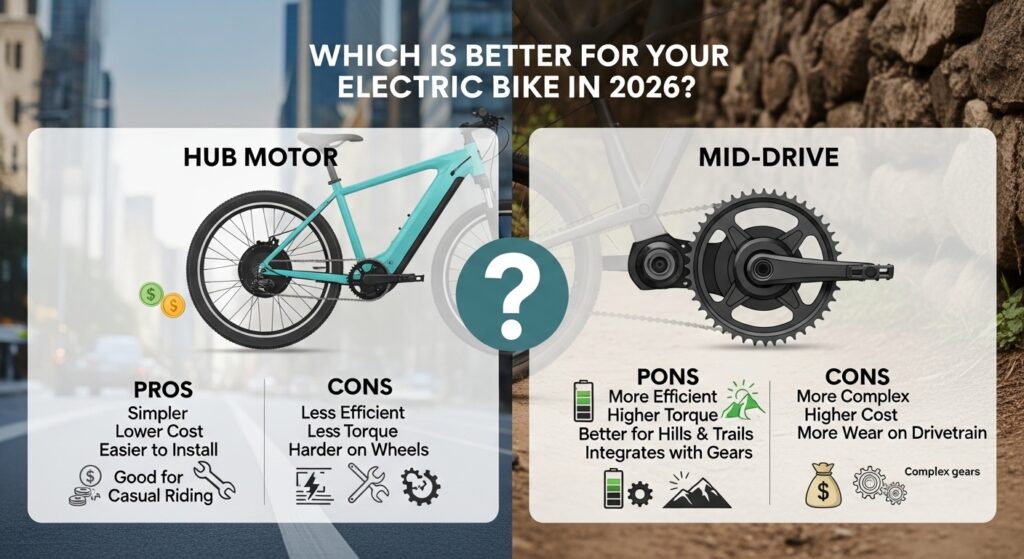
The motor is what gives an e-bike its ‘electric’ power. There are two primary electric bike motor types:
- Hub Motors: Integrated into the front or rear wheel, these are generally more affordable and simpler in design. They provide direct power to the wheel, often feeling like a ‘push’ or ‘pull.’
- Mid-Drive Motors: Located at the bike’s crank, these motors power the chain, amplifying your pedal power through the bike’s gears. They offer a more natural, balanced ride, better hill-climbing ability, and are generally more efficient, though they come at a higher price point. For serious riders, a mid-drive motor often provides a superior riding experience, especially when dealing with varied terrain.
Both types typically offer ‘pedal assist’ (PAS) levels, where the motor kicks in as you pedal, and some Class 2 bikes also feature a ‘throttle’ for power without pedaling.
Battery Matters: Range, Capacity, and Life
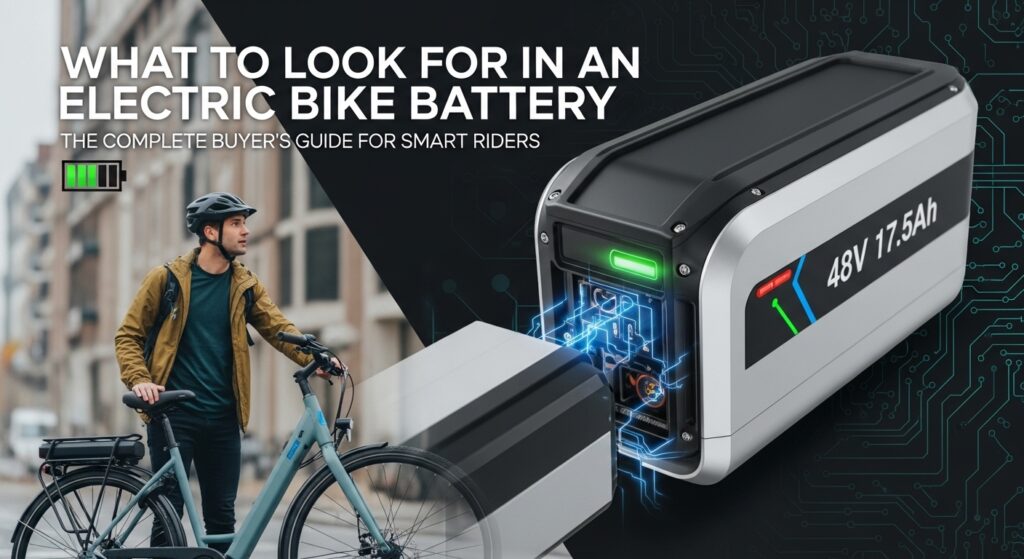
The battery is arguably the most critical and often the most expensive component. It determines your eBike battery range – how far you can ride on a single charge. Look for:
- Capacity (Wh – Watt-hours): A higher Wh rating means more power and generally a longer range. Common capacities range from 300Wh to over 1000Wh.
- Placement: Integrated batteries within the frame offer a cleaner look and better balance, while external batteries are easier to remove for charging or replacement.
- Brand: Reputable brands like Bosch, Shimano, and Panasonic typically offer better reliability and longevity.
- Charging Time: Most e-bike batteries take 3-8 hours to fully charge.
- Life Expectancy: A well-maintained battery can last 3-5 years or 500-1000 charge cycles before significant degradation.
Frame Materials and Design
E-bike frames are typically made from aluminum (lightweight, affordable), steel (durable, comfortable ride), or carbon fiber (lightest, most expensive, best vibration dampening). Frame design can vary widely, from rigid commuter styles to full-suspension mountain bikes. Some even feature folding e-bike benefits, making them incredibly portable for multimodal transport or small storage spaces.
Brakes and Suspension
Given the added weight and speed of e-bikes, powerful brakes are essential. Hydraulic disc brakes are the gold standard, offering superior stopping power and modulation in all weather conditions. Suspension systems (front, rear, or both) enhance comfort and control, especially on rougher terrain. A good suspension system can make a significant difference in rider fatigue and enjoyment.
Types of Electric Bikes for Every Rider
The market for electric bikes is incredibly diverse, with models tailored to almost any riding style or purpose. Identifying your primary use case will narrow down your options significantly.
Commuter eBikes
These are designed for daily use, often featuring fenders, racks, integrated lights, and comfortable upright riding positions. They prioritize durability and practicality for urban environments. When looking for the ideal electric bikes for city travel, these models are your best bet.
Mountain eBikes (eMTBs)
Built to tackle trails, eMTBs come with robust suspension, powerful motors, and knobby tires. They help you climb steeper ascents and cover more ground, opening up new possibilities for off-road adventures.
Road eBikes
Sleek and lightweight, road e-bikes offer subtle assistance to help you maintain speed on long rides or keep up with a group. They typically feature drop handlebars and a more aggressive riding position.
Cargo eBikes
Perfect for families or businesses, cargo e-bikes are built to carry heavy loads. They often feature extended frames, front or rear cargo platforms, or even enclosed boxes. They are fantastic for grocery runs or transporting children.
Folding eBikes
As the name suggests, these e-bikes fold down into a compact size, making them ideal for those with limited storage space, RV owners, or multimodal commuters who combine cycling with public transport. A high-quality folding electric bicycle offers unparalleled versatility.
Fat Tire eBikes
Distinguished by their oversized tires (typically 4 inches or wider), fat tire electric bikes excel on challenging surfaces like sand, snow, mud, and loose gravel. They offer exceptional traction and a surprisingly comfortable ride due to the high volume of air in their tires.
Essential Considerations Before Buying
Beyond the technical specs, a few practical points will significantly influence your satisfaction with your new e-bike.
Budget: Affordable vs. Premium Models
E-bike prices vary widely. You can find capable affordable eBike models starting around $1,000-$1,500, while premium electric bicycles from established brands with advanced features can easily exceed $5,000-$8,000. Set a realistic budget and prioritize features that are most important to you. Remember, investing in quality components often leads to better reliability and a longer lifespan.
Test Riding is Non-Negotiable
Just like buying a car, you wouldn’t buy an e-bike without riding it first. A test ride allows you to assess comfort, handling, motor feel, and brake performance. Try different models and motor types if possible.
Warranty and After-Sales Support
E-bikes are complex machines. Look for brands and retailers that offer solid warranties, especially on the motor and battery (often 2-5 years). Good after-sales support, including readily available spare parts and qualified service technicians, is invaluable.
Legalities and Regulations
E-bike laws vary significantly by location. Understand the local electric bike legal requirements regarding speed limits, throttle use, helmet laws, and where each class of e-bike is permitted to ride. You can often find detailed information from government transportation departments or reputable cycling organizations like PeopleForBikes on e-bike policies and laws, which provide state-by-state guides for the USA. Always check your specific region’s rules.
Insurance and Security
Given their value, insuring your e-bike against theft or damage is a wise move. Check if your homeowner’s or renter’s insurance covers it, or consider dedicated e-bike insurance. Additionally, investing in robust anti-theft solutions for electric bikes in 2026, such as high-quality locks, GPS trackers, and secure storage, is crucial.
Accessories to Enhance Your eBike Experience
Once you’ve chosen your perfect e-bike, a few essential accessories can greatly improve your safety, comfort, and utility. From helmets and lights to racks and bags, equipping your e-bike properly is part of the overall experience. For a comprehensive list of must-have items, check out our guide on Essential Electric Bike Accessories for Safer Commuting.
Conclusion
The world of electric bikes in 2026 is vibrant, diverse, and filled with exciting possibilities. From efficient urban commuters to rugged off-road adventurers, there’s an e-bike designed for nearly every need and desire. By understanding the different classes, motor types, battery considerations, and the various styles available, you’re now well-equipped to navigate the market with confidence. Remember to prioritize a test ride, evaluate warranties, and familiarize yourself with local regulations to ensure a smooth and enjoyable ownership experience.
The journey to finding your ideal electric bike is an exciting one. We hope this guide has provided you with the foundational knowledge you need to make an informed decision. What kind of e-bike are you dreaming of for 2026? Share your thoughts and questions in the comments below!
FAQ: Frequently Asked Questions
Q1: How long do electric bike batteries last?
A1: E-bike batteries typically last between 3 to 5 years or 500 to 1,000 charge cycles, after which their capacity may start to degrade. Proper care, like avoiding extreme temperatures and not fully discharging, can extend their lifespan.
Q2: Are electric bikes heavy to pedal if the battery runs out?
A2: Yes, e-bikes are generally heavier than traditional bicycles due to the motor and battery. If the battery runs out, pedaling can become significantly more challenging, especially on inclines, though it’s still possible to get home.
Q3: What is the average range of an electric bike in 2026?
A3: The average range for most e-bikes in 2026 is typically between 30 to 80 miles (50-130 km) on a single charge, depending on battery capacity, terrain, assist level used, rider weight, and weather conditions. Some high-end models can exceed 100 miles.
Q4: Do I need a special license to ride an electric bike?
A4: In most places, Class 1 and Class 2 e-bikes do not require a special license, registration, or insurance, as they are treated similarly to traditional bicycles. Class 3 e-bikes may have age restrictions, and regulations vary by state and country, so it’s essential to check local laws.
Q5: How do I maintain my electric bike?
A5: Regular maintenance includes keeping tires properly inflated, cleaning and lubricating the chain, checking brake pads, and ensuring all bolts are tight. For the electrical components, keep the battery charged, clean terminals, and avoid high-pressure washing the electrical parts. Periodic professional servicing is also recommended, especially for the motor and battery systems.